Cuts That Support Long-Term Structure
Tree & Shrub Pruning in Sardinia for properties with damaged branches and overgrown ornamentals
Freeze-thaw cycles and ice loading during Clermont County winters damage branches and create structural weaknesses that compound over time if left unaddressed. Yardly provides tree and shrub pruning focused on plant health and corrective cuts rather than emergency removals or large-scale tree work. Properties across Indian Hill, Loveland, and Batavia require selective pruning during the spring growth period when cuts heal quickly and plants redirect energy toward new growth rather than wound response.
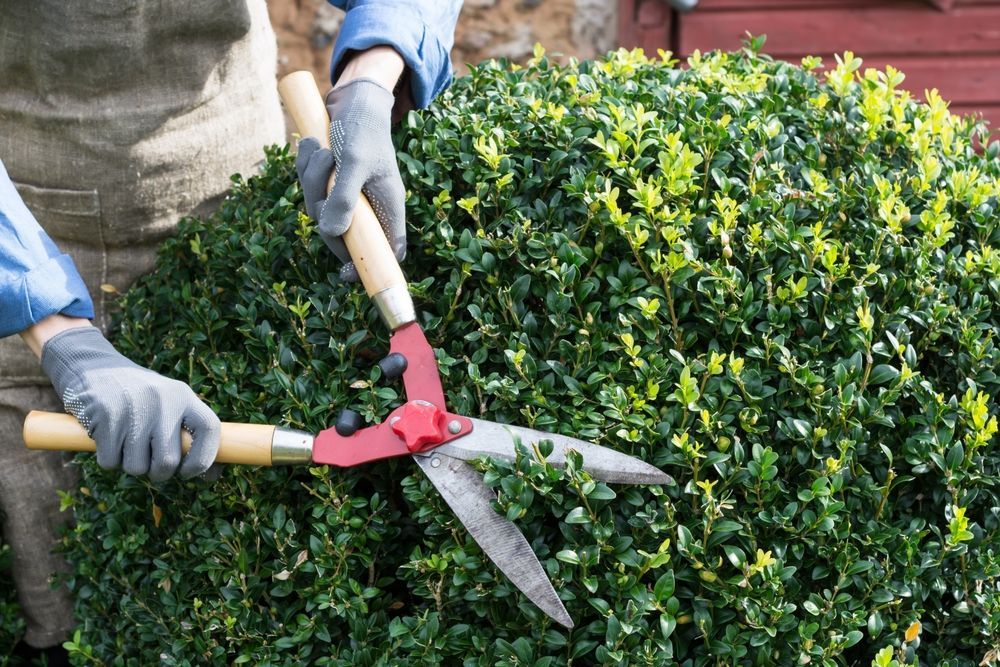
Pruning removes damaged or crossing branches, opens canopy structure to improve air circulation, and shapes shrubs to maintain scale without blocking sight lines or encroaching on structures. This work is integrated into broader landscape maintenance rather than provided as standalone tree service, and complex removals or major limb work are subcontracted to specialized crews when needed. The focus remains on establishment and health for ornamental plantings rather than hazard mitigation for mature canopy trees.
Arrange a walkthrough to identify structural issues and determine whether pruning should be completed before spring growth begins or delayed until fall dormancy.
Why Timing and Cut Placement Matter
Pruning during early spring, before buds break, allows plants to allocate energy toward new growth rather than sealing wounds. Cuts are made just outside the branch collar to promote rapid closure without leaving stubs that invite decay or pest entry. Shrubs are shaped to maintain natural form rather than sheared into geometric shapes that create dense outer growth and hollow interiors prone to winter damage.
After pruning, canopy structure is more open and balanced, with crossing or rubbing branches removed to prevent bark damage during wind events. Shrubs maintain appropriate scale without blocking windows or walkways, and dead or damaged wood is cleared before it becomes a vector for disease or insect colonization. Plants redirect energy toward productive growth rather than maintaining damaged limbs, and the next winter's ice load is distributed more evenly across remaining structure.
Pruning is limited to small-scale work that fits within landscape maintenance operations, typically involving hand tools and pole saws rather than bucket trucks or rigging systems. Major removals, cabling, or work near power lines are referred to specialized tree companies with appropriate equipment and insurance coverage for high-risk operations.
Answers to Pruning Questions
Plant health pruning differs from removal work and focuses on corrective cuts that improve structure without stressing the plant during recovery.
When is the best time to prune trees and shrubs in Sardinia?
Early spring, after the coldest weather has passed but before buds break, provides the optimal window for pruning in Ohio. Cuts made during this period heal quickly as the plant enters active growth, and disease pressure is lower than during warm, humid summer months when pathogens spread more readily through open wounds.
What's the difference between pruning and trimming?
Pruning involves selective removal of specific branches to improve plant structure, health, or shape, typically using hand tools to make precise cuts at appropriate points along the branch. Trimming usually refers to shearing or cutting back multiple stems to maintain a hedge line or reduce overall size, which is faster but less selective and can create dense outer growth that traps moisture.
How much can be removed without harming the plant?
Most ornamental trees and shrubs tolerate removal of 15 to 25 percent of total canopy in a single season without significant stress. Removing more than that forces the plant to redirect excessive energy toward wound response and new shoot production, which often results in weak, fast-growing stems that require corrective pruning the following year.
Can pruning fix winter damage from ice or snow?
Pruning can remove broken or split branches and redirect growth away from damaged areas, but it cannot reverse structural damage to the trunk or main scaffold limbs. Plants with severe trunk splits or bark tears may decline over several years even after corrective pruning removes visible damage.
What types of tree work does Yardly handle?
Yardly performs health-focused pruning for small ornamental trees and shrubs as part of landscape maintenance for existing clients in Indian Hill, Loveland, and Batavia. Major removals, stump grinding, cabling, and work involving bucket trucks or climbing are subcontracted to specialized tree service companies with appropriate equipment and certifications.
Yardly integrates pruning into landscape maintenance schedules for properties requiring corrective cuts during the spring window when conditions favor rapid healing. Contact Yardly at (513) 650-1399 to evaluate structural concerns and confirm pruning timing for your specific plantings.