
Thick Turf in Compacted Clay Soils
Lawn Aeration & Seeding in Sardinia for properties with thin turf and compacted Ohio clay
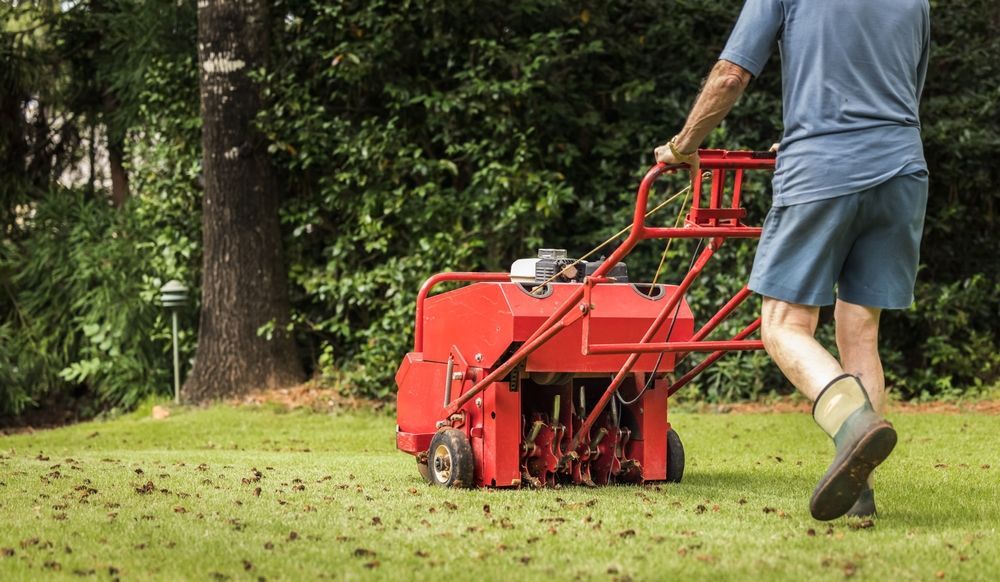
Compacted clay soils across east Cincinnati prevent root penetration and water infiltration, leaving turf stressed and thin even with regular fertilization and mowing. Core aeration pulls soil plugs to relieve compaction before seeding, creating openings for seed-to-soil contact and root establishment in conditions that otherwise reject new growth. Yardly performs aeration and seeding across Indian Hill, Loveland, Batavia, and Milford during the narrow spring and fall windows when soil moisture and temperature allow seed germination without heat stress or frost damage.
East-side Ohio winters and summer heat stress turf in ways that favor compaction and thin density, especially in high-traffic areas or slopes where runoff strips topsoil. Aeration before seeding allows roots to penetrate deeper into the clay subsoil, improving drought tolerance and reducing the shallow root systems that fail during July and August heat. Seed selection is calibrated to regional soil type and climate stress rather than generic big-box mixes that include varieties poorly suited to freeze-thaw cycles and humidity patterns observed in Clermont and Brown County.
Schedule an aeration and seeding consultation to determine whether spring or fall timing better matches your property's drainage and sun exposure.
What Aeration and Seeding Actually Accomplish
Core aeration removes soil plugs two to three inches deep, creating channels for air, water, and root penetration in compacted clay. These channels also provide pockets where seed can lodge and make direct contact with soil rather than sitting on the surface where it desiccates or washes away. Seeding immediately after aeration takes advantage of these openings, and the soil plugs left on the surface break down to provide a light topdressing that helps retain moisture around germinating seed.
Within two to three weeks after seeding, new grass blades emerge in previously thin areas, and turf density increases as new plants fill gaps between established crowns. Root systems penetrate deeper into the soil profile rather than remaining shallow and vulnerable to drought stress. High-traffic areas that previously showed compacted bare soil begin to support turf coverage, and slopes that eroded during heavy rain stabilize as root mass increases.
Timing is critical because seed requires consistent soil moisture and moderate temperatures to germinate. Spring aeration targets the period after soil warms but before summer heat arrives, while fall aeration occurs after heat stress subsides but before soil temperatures drop below the threshold for germination. Fall is generally preferred in Ohio because cooler temperatures reduce weed competition and new turf has time to establish before winter dormancy.
Common Questions About Aeration and Seeding
Aeration and seeding address the compacted clay soils that limit turf density and drought tolerance across properties in Sardinia and the surrounding east Cincinnati area.
How often should I aerate my lawn in Ohio?
Most residential lawns in Clermont County benefit from aeration every one to two years, depending on soil type, traffic levels, and visible compaction. Properties with heavy clay soils, high foot traffic, or slopes that shed water may require annual aeration to maintain infiltration and root depth.
What's the difference between core aeration and spike aeration?
Core aeration removes soil plugs, creating open channels that relieve compaction and allow root penetration. Spike aeration punches holes without removing soil, which can increase compaction around the hole as soil is pushed sideways rather than extracted, making it less effective in heavy clay soils common across the region.
How long does it take for new grass to fill in after seeding?
Germination typically begins within seven to fourteen days depending on soil temperature and moisture, with visible turf density increasing over four to six weeks as new plants establish. Full maturity and integration with existing turf requires an entire growing season, during which mowing height and frequency are adjusted to avoid stressing new growth.
Can aeration and seeding fix bare spots caused by drainage problems?
Aeration and seeding improve turf density but do not solve underlying drainage issues that cause persistent standing water or erosion. Areas with chronic wetness or runoff may require grading, drainage installation, or soil amendments before seeding will produce sustainable turf coverage.
What type of seed is used for properties in Sardinia?
Seed mixes are selected for regional climate stress, including freeze-thaw cycles, summer heat, and humidity patterns observed across Clermont and Brown County. Varieties include turf-type tall fescues for drought tolerance and fine fescues for shaded areas, avoiding generic mixes that include species poorly adapted to Ohio soil and weather conditions.
Yardly sources seed appropriate to east Cincinnati soil and climate conditions, avoiding generic approaches that fail to account for the compacted clay and seasonal stress patterns defining turf performance in the region. Call (513) 650-1399 to schedule aeration and seeding during the upcoming spring or fall window.